I believe we all desire to live healthy lives and have freedom of movement. Living healthy and sticking to a regimen that supports the most optimal balance of a balanced diet and exercise often is a challenge for many. However if we are to live holistic and live well it will require us working towards ensuring emotional, spiritual, social and physical health and wellbeing.
Like cancer, the word stroke drives a sense of hopelessness and fear in several persons. No one wants to be diagnosed with neither of these diseases. We enjoy having freedom of movement and thought. Depending on the size and location of the stroke both freedom of movement, speech and comprehension can be impaired. Depending on the size of the stroke and location the outcome could be a shortened life span.
If you are of African or Caribbean origin you are twice as likely to have a stroke, and at a younger age, than other people. In particular, you may be more likely to have certain conditions that increase your risk of stroke such as high blood pressure, diabetes and sickle cell disease.
Stroke ranks as one of the leading causes of death. A stroke can be devastating to individuals and their families, robbing them of their independence. It is the most common cause of adult disability.
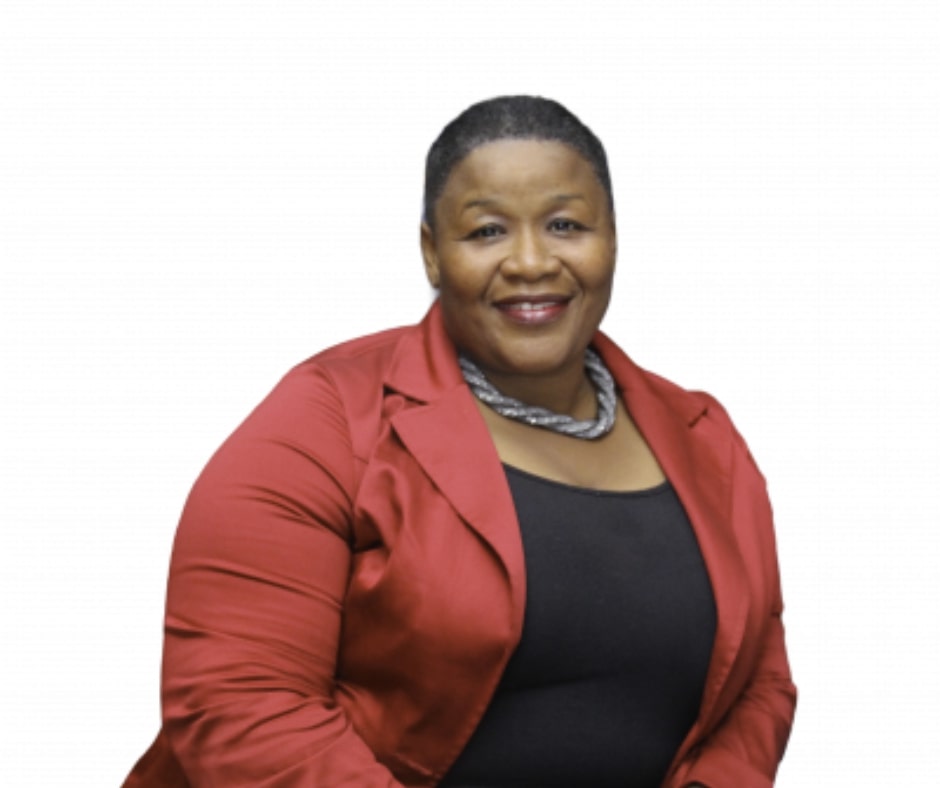
Dr. Denise Braithwaite-Tennant BSc, M.B.B.S., D.M., MSc
What is a Stroke?
A stroke occurs when the blood supply to a part of your brain is interrupted or reduced, depriving brain tissue of oxygen and nutrients. Within minutes, brain cells begin to die. A stroke is a medical emergency. Prompt recognition and treatment is crucial. Early action can minimize brain damage and potential complications.
What causes a stroke?
A stroke may be caused by a blocked artery (ischemic stroke) or the leaking or bursting of a blood vessel (hemorrhagic stroke). Some people may experience only a temporary disruption of blood flow to the brain (transient ischemic attack, or TIA) that doesn’t cause permanent damage. There may be a genetic link that makes people in the African or Caribbean group more likely to have a stroke, so it’s important to understand your own risk factors.
Ischemic stroke
About 80 percent of strokes are ischemic strokes. This occurs when the blood vessel in your brain is occluded by a clot. This is the most common type of stroke diagnosed at the Turks & Caicos Islands Hospital.
Hemorrhagic stroke
Hemorrhagic stroke occurs when a blood vessel in your brain leaks or ruptures. Brain hemorrhages (bleeding) can result from many conditions that affect your blood vessels. These include:
Uncontrolled high blood pressure (hypertension)
Overtreatment with anticoagulants (blood thinners)
Weak spots in your blood vessel walls (aneurysms)
A less common cause of hemorrhage is the rupture of an abnormal tangle of thin-walled blood vessels (arteriovenous malformation).
Transient Ischemic Attack (TIA)
A transient ischemic attack (TIA) — sometimes known as a mini-stroke — is a temporary period of symptoms similar to those you’d have in a stroke.
How can I prevent a stroke?
If we are to prevent stroke it is important for us to know our personal risks and take action to control those risk factors. A risk factor is a condition or behavior that occurs more frequently in those who have, or are at greater risk of getting, a disease than in those who don’t.
Having a risk factor for stroke doesn’t mean you’ll have a stroke. On the other hand, not having a risk factor doesn’t mean you’ll avoid a stroke. But your risk of stroke grows as the number and severity of risk factors increases. For example, smoking and being overweight are risk factors and a person who has all two is at an even greater risk of stroke.
Knowing your stroke risk factors, following your doctor’s recommendations and adopting a healthy lifestyle are the best steps you can take to prevent a stroke. If you have a condition that increases your risk of a stroke, it’s important to manage it effectively.
Many stroke prevention strategies are the same as strategies to prevent heart disease. Heart disease is the leading cause of death worldwide as a chronic non-communicable disease.
Risk Factors I can’t change
Some factors for stroke can’t be modified (changed) by medical treatment or lifestyle changes. The risk factors that we can’t change:
Age. Stroke occurs in all age groups. Studies show the risk of stroke doubles for each decade between the ages of 55 and 85 years of age. But strokes also can occur in childhood or adolescence. Most strokes diagnosed in the Turks & Caicos Islands occur in adults.
Gender. Men have a higher risk for stroke in young and middle age, but rates even out at older ages, and more women die from stroke. Men generally do not live as long as women, so men are usually younger when they have their strokes and therefore have a higher rate of survival.
Race. People from certain ethnic groups have a higher risk of stroke.
Family history of stroke. Stroke seems to run in some families. Several factors may contribute to familial stroke. Members of a family might have a genetic tendency for stroke risk factors, such as an inherited predisposition for high blood pressure (hypertension) or diabetes. The influence of a common lifestyle among family members also could contribute to familial stroke.
*Stroke Prevention: Managing & Controlling High Blood Pressure (hypertension) , is part 1 of a 2-part series, as seen in GEEMS Issue 3
Sick of feeling hungry again an hour after eating “healthy” food? Ancient grains have been found in tombs and other archaeological sites around the world. However, they still grow today and provide many health benefits. It’s easy to add...
Your body is a marvelous creation! It speaks to you when it’s doing great, and it also speaks to you when things aren’t so wonderful. But that’s the beauty of it – your body gives a ton of signals...
Loneliness may harm your health more than you think. It ages you faster than smoking, according to a recent study by scientists at Stanford University. Feeling isolated speeds up your biological clock by about a year and 8 months,...
Life can be difficult and full of worries, and when you’re not taking good care of yourself, things can become quite demanding. Without a proper diet and exercise, along with proper sleep, you could find yourself run down extremely...
Hello and Welcome! I’m the founder and editor of GEEMS Everyday Women’s Lifestyle Magazine - a trendy, refreshing, and feel good read made with the everyday woman in mind. Think real life, real style and real conversations. And if you love the magazine, you’ll love the website too. We bring that same vibe digitally, with articles that are stimulating, informative, and easy to enjoy - covering the things that matter to you, in a way that feels relatable and right on time.